The Draw
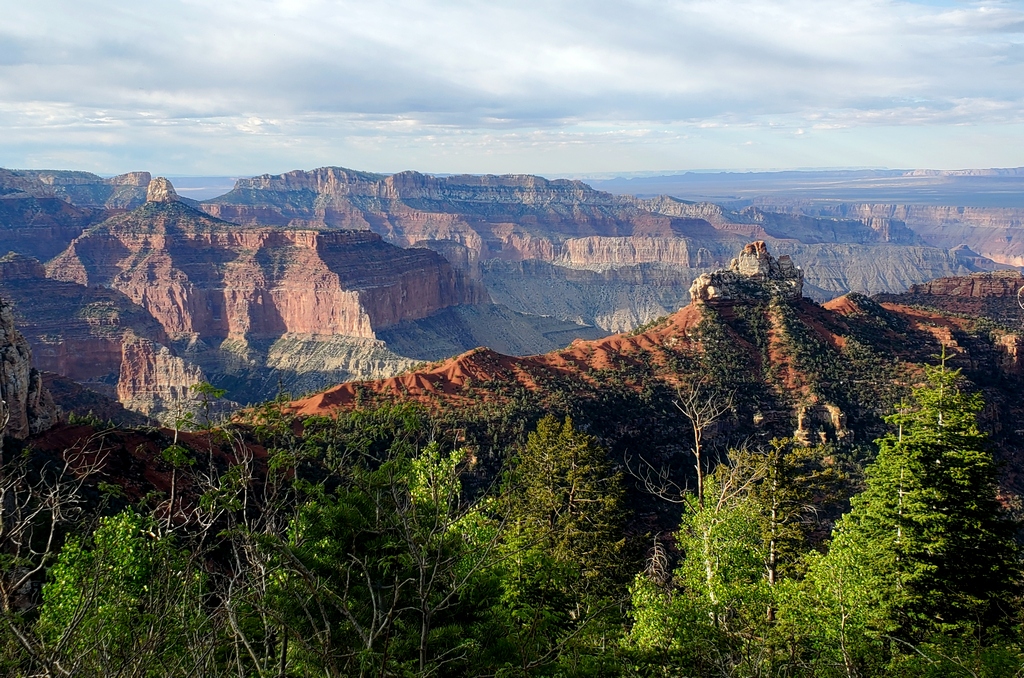
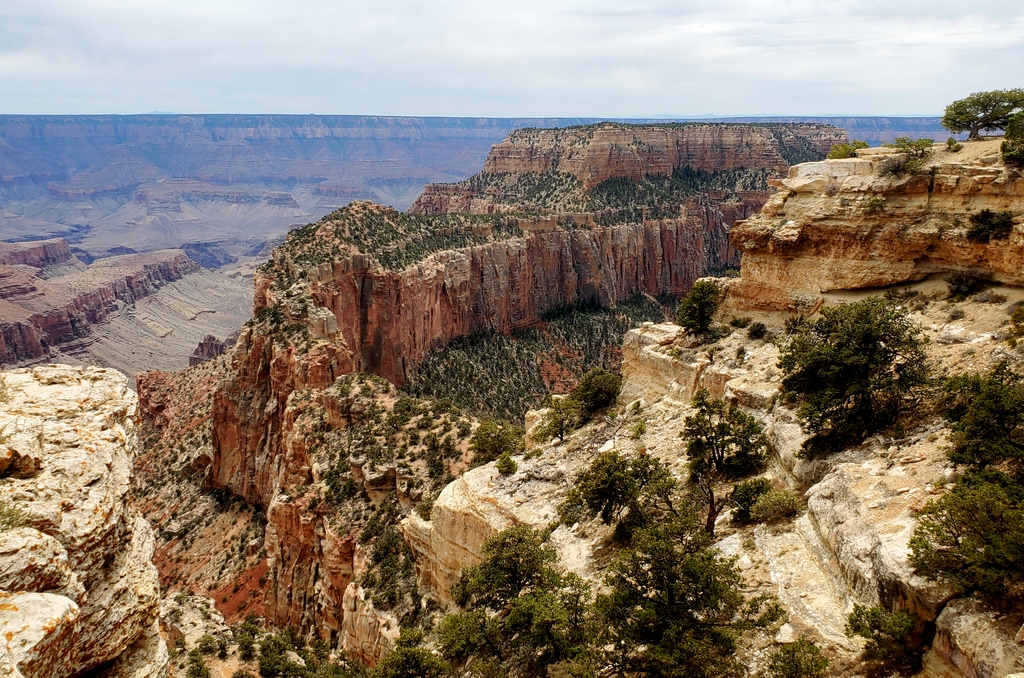
Welcome to the other Grand Canyon—a place of unparalleled scale, whispering pines, and profound solitude. Sitting at a towering average elevation of 8,297 feet (over 1,000 feet higher than the South Rim), the North Rim plunges dramatically into the Earth's most famous 277-mile-long abyss. Historically, only 10% of the park's 6 million annual visitors ever made it to this side, but the 2026 season offers an even more exclusive, raw experience. Following the devastating July 2025 Dragon Bravo Fire, which claimed the historic Grand Canyon Lodge, this side of the canyon has returned to its wildest roots. If you crave dramatic, sheer drop-offs, high-altitude alpine environments, and the feeling of having one of the world's natural wonders entirely to yourself, this is your ultimate sanctuary.
The Map & Geography
The North Rim is geographically isolated on the Kaibab Plateau in northern Arizona. While it’s merely 10 miles across the canyon from the South Rim as the raven flies, driving between the two requires a 212-mile (4.5-hour) journey around the eastern gorge. The sole access artery is Arizona Highway 67 (AZ-67), which dives south from US-89A at Jacob Lake straight into the Kaibab National Forest and the park boundary.
- Interactive Map Link: Explore North Rim on Google Maps
- Key Entrances/Zones: There is only one official entry station, located 30 miles south of Jacob Lake on AZ-67. From the entry, the road continues to the former Lodge area and Bright Angel Point. To the east, the Cape Royal Road splinters off toward Point Imperial and Cape Royal.
Climate & Weather
Because of its soaring elevation, the North Rim operates on a strictly seasonal schedule. The road (AZ-67) typically opens May 15 and closes November 30 (or the first major snowstorm). Summer days are a glorious 70°F, but nights are always brisk. Be warned: July and August bring the Southwest Monsoon, featuring spectacular but highly dangerous afternoon lightning storms.
| Month / Season | Avg. High | Avg. Low | Precipitation / Conditions | Seasonal Notes (Crowds, Closures, Microclimates) |
|---|---|---|---|---|
| May (Opening) | 60°F | 34°F | Minimal rain, late snow possible. | Road opens May 15. Nights are freezing; pack heavy layers. Crowds are extremely thin. |
| June | 73°F | 40°F | Dry, intense high-altitude sun. | Peak daytime visitation. Excellent, clear hiking weather before the monsoons arrive. |
| July & August | 77°F | 46°F | Monsoon season (Heavy afternoon thunderstorms). | Lightning is a severe hazard on exposed rims. Hike early morning. Wildflowers peak in the meadows. |
| September | 69°F | 39°F | Monsoons fade; crisp, clear skies. | The absolute best time to visit. Golden aspens start turning late in the month. Perfect hiking temps. |
| Oct (Closing) - Nov | 59°F | 31°F | Early snowstorms are common. | Day-use only until Nov 30 or first big snow. Eerie, beautiful solitude. |
Travel Logistics & Transit to Destination
- Minimum Days Needed: 2 days (Ideal: 3 days). You need a full day for the scenic drives (Point Imperial/Cape Royal) and a full day for rim hikes or descents, plus time to navigate the 2026 logistics of staying outside the park.
- Required Passes/Fees: $35 per vehicle (valid for 7 days, covers both North and South Rims). The America the Beautiful Annual Pass ($80) is highly recommended. Backcountry permits are strictly required for camping below the rim.
- Real-Time Alerts: 2026 CRITICAL FIRE UPDATE: The July 2025 Dragon Bravo Fire destroyed 113 structures, including the historic Grand Canyon Lodge. For the 2026 season, there is NO overnight lodging available inside the North Rim. All visitors must commute from gateway towns or utilize surviving campgrounds (check recreation.gov for real-time status). The North Kaibab trail sustained damage, heavily impacting 2026 Rim-to-Rim hikes. Always check NPS Current Conditions before driving.
How to Get There
You cannot accidentally stumble upon the North Rim; it is a destination you must commit to. The drive through the Kaibab National Forest is stunning but remote.
| Travel Mode | Primary Hub / Route | Est. Duration | Pros & Cons | Seasonal Limitations |
|---|---|---|---|---|
| Plane (Major) | Harry Reid Int'l (LAS) - Las Vegas | 4.5 hrs drive to rim | Cheapest flights, massive rental car inventory. Cons: Long drive across the desert before hitting the plateau. | Year-round access to Vegas, but AZ-67 access closes in winter. |
| Plane (Regional) | St. George Regional (SGU) - Utah | 2.5 hrs drive to rim | Much closer to the rim, highly scenic drive. Cons: Flights are more expensive and less frequent. | Year-round flights, but AZ-67 closes in winter. |
| Car/Drive | US-89A to AZ-67 South | From Kanab: 1.5 hrs | The absolute best way (and essentially the only way) to explore at your own pace. The drive through the aspens is breathtaking. | AZ-67 closes completely from Dec 1 to May 14 due to heavy snow. |
Budget & Cost Expectations
- Relative Cost Index: Moderate. Without the luxury park lodge available in 2026, costs shift to gateway towns. Gas is exceptionally expensive on the plateau.
- Estimated Daily Spend:
- Budget: $50-$80/day (Camping outside the park, grocery store sandwiches, hiking).
- Mid-Range: $150-$250/day (Staying in a gateway town like Kanab or Jacob Lake, eating at diners).
- Luxury: $300+/day (Boutique hotels in Kanab, guided excursions, upscale dining in Utah).
- Cultural Basics: Credit cards are accepted in gateway towns, but Wi-Fi and cell service are virtually non-existent on the Kaibab Plateau and at the North Rim. Download offline maps!
Local Transit & Regional Passes
Unlike the South Rim, there is no shuttle system at the North Rim. You must have your own vehicle to access the scenic drives (Cape Royal and Point Imperial) and trailheads. Due to the 2025 fire, in-park fuel services may be disrupted—fill your tank entirely in Kanab or Jacob Lake before heading south on AZ-67.
In-Park Camping Details & Reservations (2026 Season)
With the destruction of the Grand Canyon Lodge, the North Rim Campground is the only way to stay overnight inside the park boundaries in 2026. Nestled in the ponderosa pines at 8,200 feet, this is a phenomenal, rustic basecamp—but it requires serious logistical planning this year.
- Status & Operations: Reopened on June 1, 2026. The campground is being operated by the concessionaire Aramark this season, meaning policies differ slightly from standard NPS sites. It remains open through October 15, 2026.
- 2026 Amenities (The Rustic Reality): You must be self-sufficient. There are no RV hookups and no potable water at the campsites. You must bring all your own water or buy it at the adjacent General Store. Furthermore, showers and laundry facilities are permanently closed for the 2026 season, and only portable toilets are available throughout the campground.
- Fire Restrictions: Stage 2 Fire Restrictions are strictly in effect for 2026 due to the lack of water infrastructure. All wood and charcoal fires are prohibited. You may only use liquid petroleum or LPG-fueled stoves (like a Jetboil or Coleman camp stove) that can be turned on and off, and they must be used in an area cleared of flammable materials.
- Reservation Window (How Early to Book): Demand is staggering since this is the only in-park accommodation. While it historically operates on a standard 6-month rolling window via Recreation.gov, the delayed 2026 opening meant a dynamic release schedule. For the remainder of the 2026 season (through Oct 15), reservations are active and required. If you are planning a trip, you need to book the absolute second your dates become available, typically released at 10:00 AM EST (8:00 AM MST) exactly 6 months prior on the standard recreation.gov cadence.
- Booking Link: Reserve North Rim Campground on Recreation.gov
Where to Stay (Lodging & Base Camp Hubs)
2026 ADVISORY: Because the Grand Canyon Lodge and all adjacent cabins were destroyed in the Dragon Bravo Fire, in-park lodging is non-existent for 2026. Base camp strategy now relies entirely on immediate gateway towns and regional hubs.
| Base Camp Area | Hub Category | Drive Time to Site | Vibe & Best For | Lodging & Dining Density | Map Link |
|---|---|---|---|---|---|
| Jacob Lake | Immediate Gateway | 1 hour (44 miles) | The vital crossroads at US-89A and AZ-67. Quiet, historic, and surrounded by ponderosa pines. The absolute best proximity for 2026 day-trippers. | Low. One historic inn (Jacob Lake Inn), an RV park, a gas station, and a diner. Book well in advance. | Jacob Lake Map |
| Kaibab Lodge / DeMotte Campground | Immediate Gateway | 25 mins (18 miles) | Nestled in a beautiful alpine meadow just outside the park boundary. Rustic, quiet, pure nature escape. | Very Low. Basic cabins, small restaurant, no TVs. | Kaibab Lodge Map |
| Kanab, Utah | Regional City Hub | 1.5 hours (80 miles) | "Little Hollywood." The best hub if you are combining the North Rim with Zion or Bryce Canyon. Vibrant town with great amenities. | High. Dozens of hotels, excellent restaurants, outfitters, and coffee shops. | Kanab Map |
Interesting & Unique Culinary Experiences
- Iconic Regional Flavors: The culinary scene leans into hearty pioneer comfort food—Navajo tacos, bison burgers, and prickly pear margaritas. With the Lodge dining room gone, your food strategy must pivot to the gateway towns.
- Jacob Lake Inn Bakery (Jacob Lake): You cannot drive past this without stopping. Their Lemon Zucchini cookies and "Cookie in a Cloud" are genuinely world-famous among road-trippers and hikers.
- Rocking V Cafe (Kanab): If you base in Kanab, this is a must-visit. An eclectic, art-filled dining room serving upscale Southwestern fare, slow-cooked meats, and incredible vegan options.
- Dining Logistics for 2026: Pack heavy coolers! With the loss of in-park restaurants, you must bring all your own lunch and snacks for a full day of exploring the rim.
Top Sights, Iconic Highlights & Hidden Gems
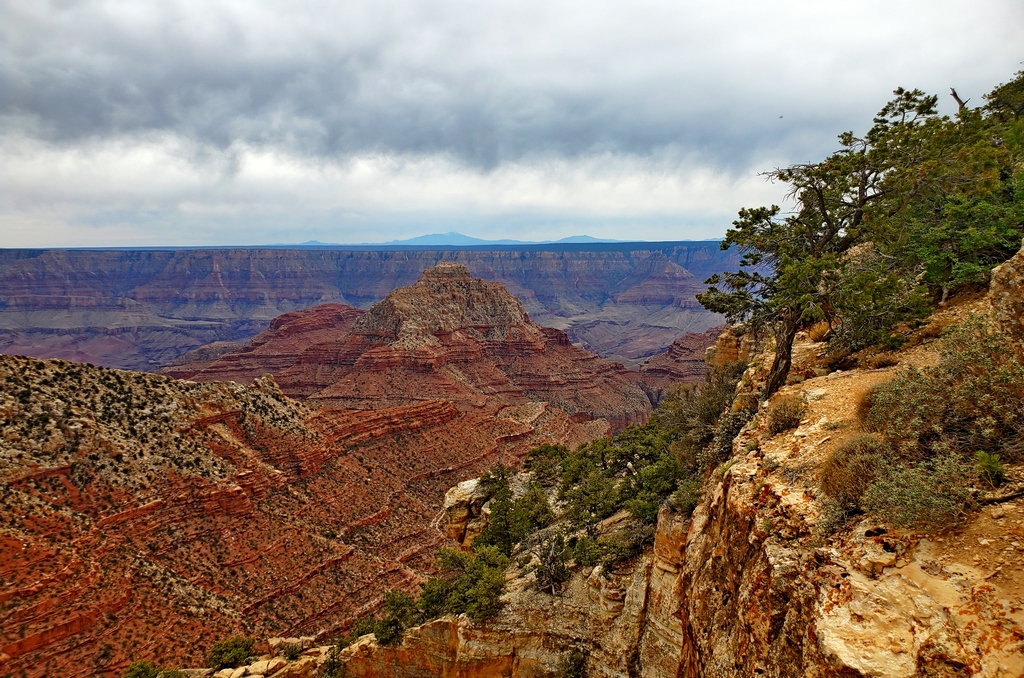
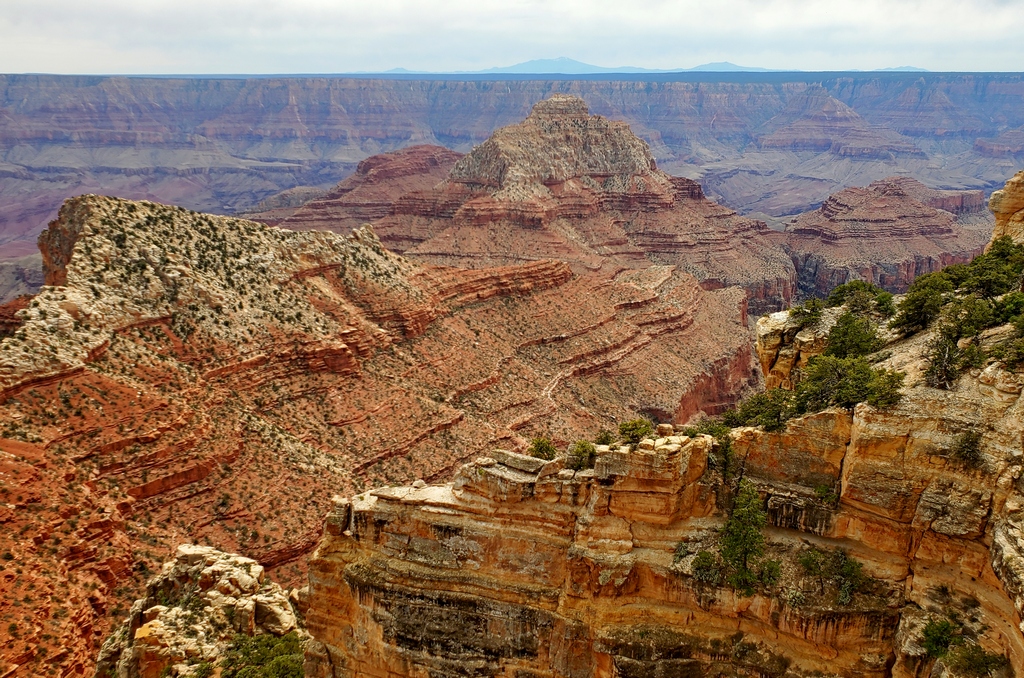
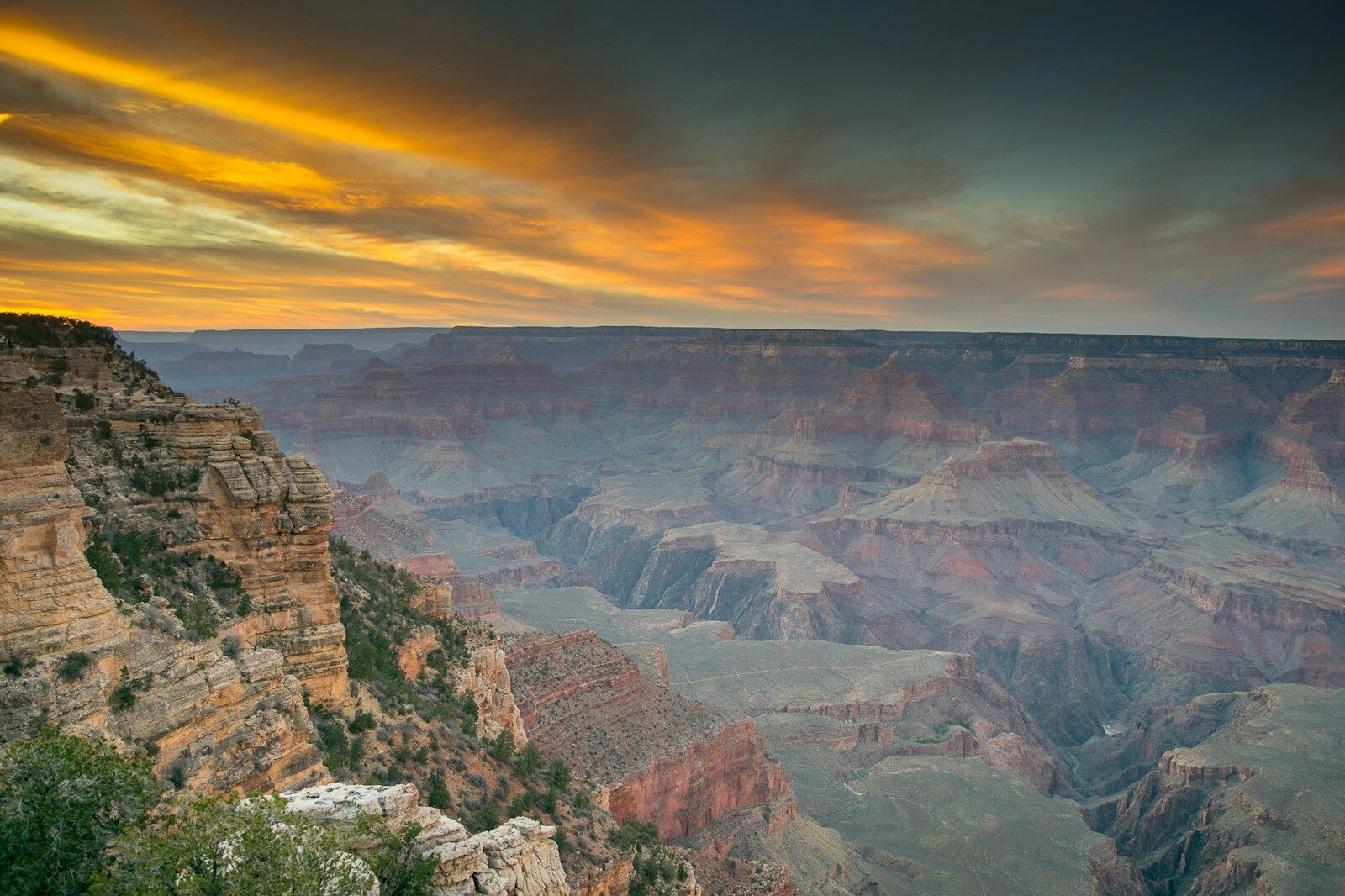
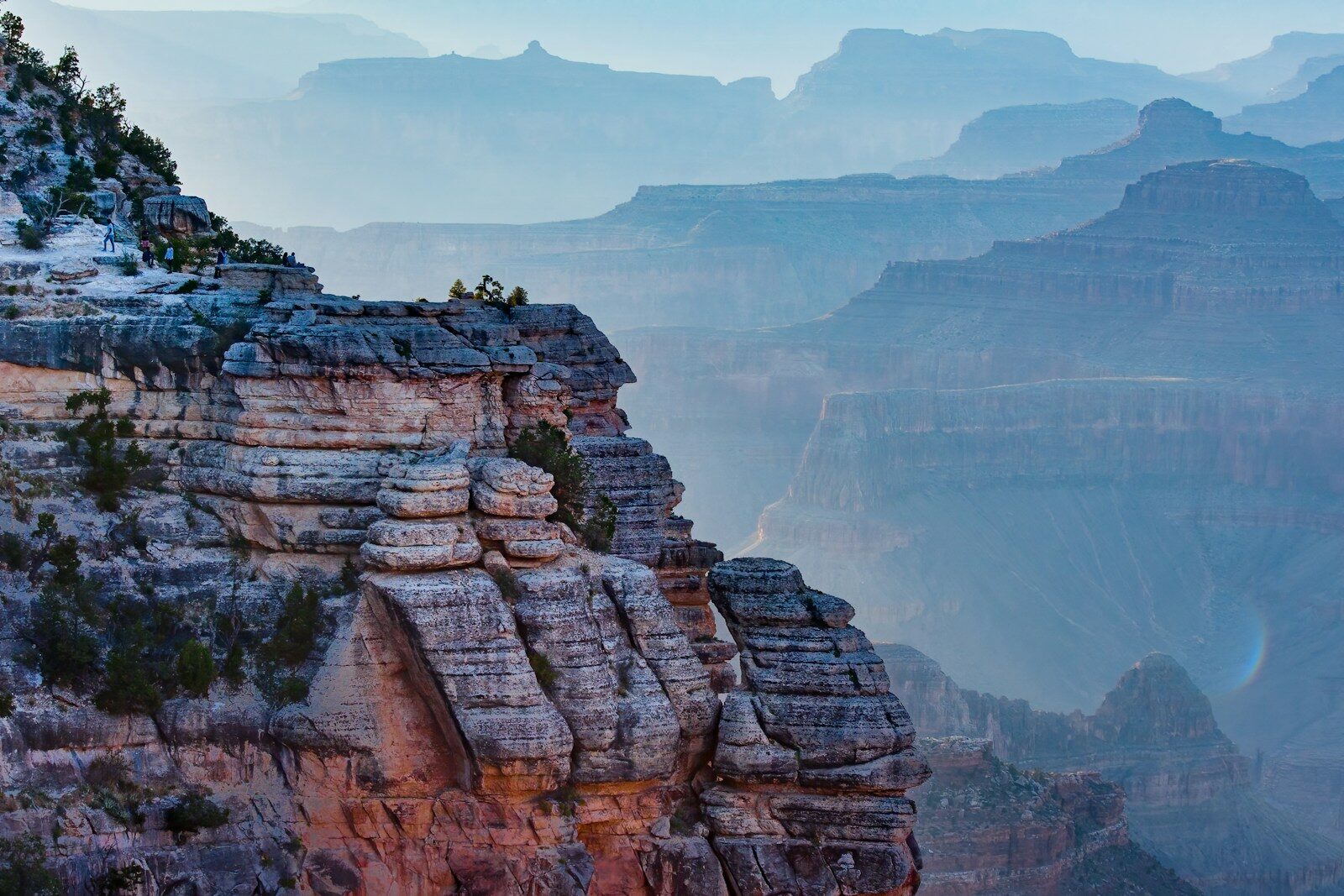
The magic of the North Rim is that the viewpoints push you out over the canyon on narrow peninsulas, offering 270-degree panoramas rather than the "flat edge" feel of the South Rim.
| Attraction | The "Why" (Highlight & Expert Insider Tip) | The "When" (Best Time & Duration) | Logistics & Safety | Map & Transit |
|---|---|---|---|---|
| Bright Angel Point | The most iconic North Rim view. A paved, narrow spine of rock drops off spectacularly on both sides. Expert Tip: Sunrise here is life-altering as the light hits the canyon walls from the east. Note: Access paths may be slightly rerouted due to 2025 fire recovery zones. | Sunrise or Sunset. Allow 45 mins. | Paved but steep in spots. No guardrails in some areas; watch children closely. | Map Link |
| Point Imperial | At 8,803 feet, this is the highest point on either rim. Offers incredible views of Mt. Hayden and the eastern canyon, looking toward the Painted Desert. Expert Tip: It’s a photographer's dream for morning light. | Early morning. Allow 30 mins. | 11-mile drive from the entry junction. Wide, easy paved paths. | Map Link |
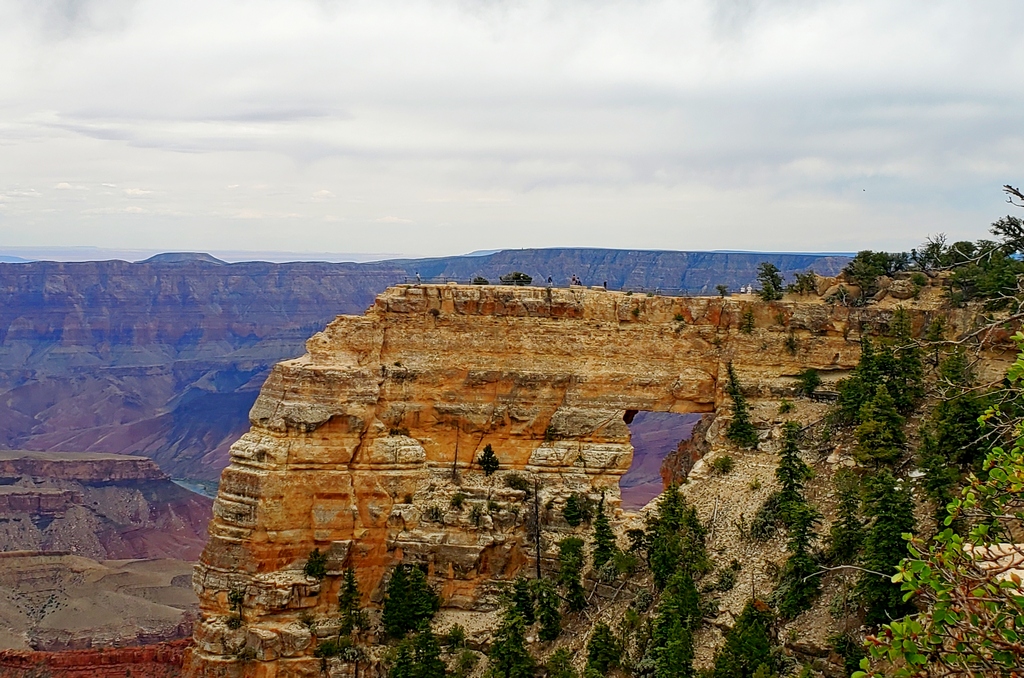
| Cape Royal & Angels Window | Cape Royal offers the widest panorama of any Grand Canyon viewpoint. Angels Window is a massive natural arch you can actually walk across! Expert Tip: Pack a picnic; this is the best spot to eat your packed lunch. | Mid-day to Sunset. Allow 1-2 hours. | 23-mile drive (takes 45+ mins due to curves). Very safe, flat paved trail. | Map Link |
| Walhalla Glades Pueblo | A hidden historical gem on the drive to Cape Royal. Explore the ruins of a 900-year-old ancestral Puebloan summer home. Expert Tip: A great way to break up the long scenic drive and touch ancient history. | Anytime. Allow 20 mins. | Short, flat dirt path right off the parking lot. Do not touch ancient stonework. | Map Link |
Guided Tours & Bookable Excursions
Because of its remoteness and the ongoing fire recovery, commercial operations are heavily restricted. However, gateway outfitters have adapted with stellar alternatives.
| Excursion / Tour Name | Provider / Type | Why It's Worth It | Est. Cost | Booking Link |
|---|---|---|---|---|
| Alternative Grand Canyon Basecamp Hikes | Four Season Guides | With Rim-to-Rim hikes heavily impacted for 2026, elite outfitters like FSG have pivoted to incredible alternative routes like Marble Canyon, Vermilion Cliffs, or guided Hermit Loop treks on the South Rim. A must for serious backpackers who want to bypass the North Rim logistical headaches. | Varies widely | Book Here |
| Mule Rides (If Operational) | Canyon Trail Rides | Check 2026 availability directly, as trail damage impacted operations. The Supai Tunnel ride drops 2,000 feet down the steep North Kaibab trail. It’s thrilling, terrifying, and completely unforgettable. | ~$110 per person | Check Availability |
Trail Guide for Hiking Lovers
The North Rim offers both gentle rim walks through the forest and punishing descents. 2026 Trail Warning: The North Kaibab Trail sustained structural damage during the 2025 fires and subsequent runoff. Check with rangers for exact closure points before attempting deep descents.
| Trail Name | Distance (Round Trip) & Est. Time | Level of Effort / Difficulty | Terrain, Hazards & Key Highlights | Map & Trailhead |
|---|---|---|---|---|
| North Kaibab to Coconino Overlook | 1.5 miles (1-1.5 hrs) | Moderate | Drops 790 feet quickly. Incredible introductory views of the inner gorge. Ensure this upper section is cleared post-fire. Yield to mules! | Trailhead Map |
| Cape Final Trail | 4.0 miles (2 hrs) | Easy to Moderate | A brilliant, mostly flat walk through a ponderosa pine forest ending at a spectacular, uncrowded rocky outcrop with sweeping canyon views. True hidden gem. | Trailhead Map |
| Widforss Trail | 10 miles (5-6 hrs) | Moderate | Blends both rim-edge canyon views and deep, shaded forest ecology. A fantastic, rolling hike if you want distance without brutal elevation loss. | Trailhead Map |
| Cliff Springs Trail | 1.0 mile (45 mins) | Easy | Located near Cape Royal. Meanders down a forested ravine past ancient Puebloan granaries to a small spring under a massive rock overhang. | Trailhead Map |
Night Sky & Stargazing Experience
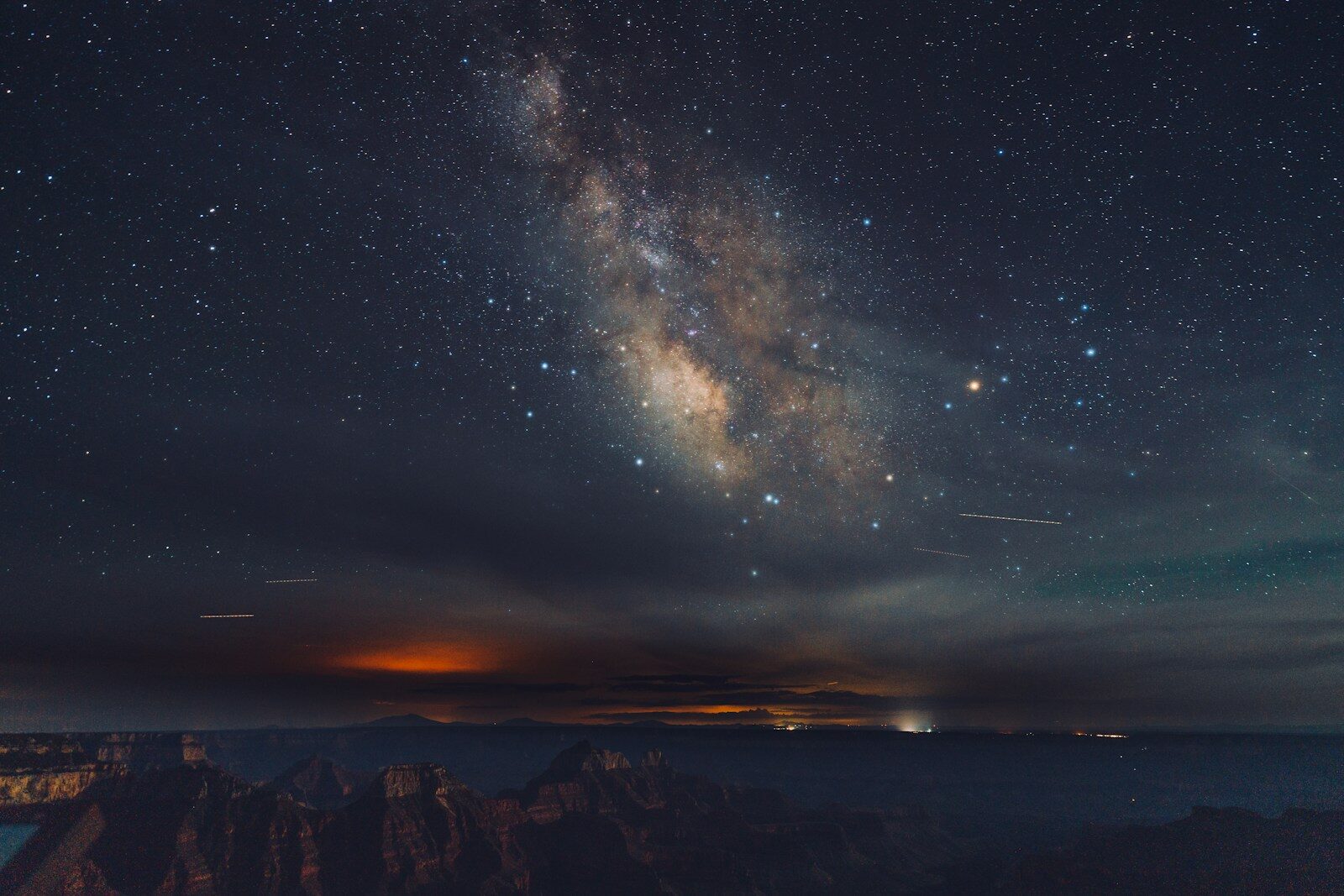
- Dark Sky Rating: Grand Canyon National Park is a certified International Dark Sky Park. Because the North Rim is hundreds of miles from major city lights, it is one of the premier stargazing spots in the USA.
- Prime Viewing Locations: Cape Royal offers a massive, unobstructed sky. With the Lodge destroyed, light pollution on the rim in 2026 is virtually zero.
- Optimal Timing: September and October during a New Moon phase. The Milky Way stretches vividly across the canyon.
- Stargazing Tips: Bring a red-light headlamp so you don't ruin your night vision. Temperatures plummet at night—bring a puffy jacket and a thermos of hot cocoa.
Weight-Optimized, Field-Tested Gear List
You are visiting a high-altitude alpine environment that plunges into a searing desert. Your packing strategy must revolve around extreme temperature swings and total self-sufficiency, especially with limited 2026 park services.
| Essential Gear Item & Brand Suggestion | Why You Need It For Grand Canyon North Rim |
|---|---|
| High-Capacity Hydration System (Osprey 3L) | If you hike below the rim, the climate turns from alpine to desert. You lose immense moisture through sweat and dry air. A 3L bladder is non-negotiable. |
| Electrolyte Replacements (Liquid I.V. / Nuun) | Drinking plain water while sweating heavily in the canyon leads to hyponatremia (salt depletion), a leading cause of canyon rescues. Salty snacks are lifesavers. |
| Heavy-Duty Cooler (Yeti or RTIC) | Crucial for 2026: With no lodge dining, you must pack in your entire day's food supply from Jacob Lake or Kanab. Keep sandwiches and drinks cold in the hot car. |
| UPF 50+ Sun Hoodie (Patagonia Tropic Comfort) | At 8,000 feet, there is significantly less atmosphere to block UV rays. You will burn twice as fast as you do at sea level. Long sleeves > sunscreen. |
| Packable Down Jacket (Mountain Hardwear) | Even in the dead of August, morning sunrise temperatures at the rim will be in the low 40s. A lightweight jacket is essential for stargazing and early hikes. |
Health & Eco-Safety Check
- Altitude Sickness: Base camp is at 8,297 feet. You may experience headaches, nausea, and shortness of breath. Spend your first day doing light rim walks, drink double your normal water intake, and limit alcohol.
- Fire Recovery Hazards: Respect all fencing and closed-off areas in the historic lodge district. Structural instability and hazardous debris remain from the 2025 fire.
- Lightning Danger: During the July/August monsoons, lightning strikes the rim frequently. If you hear thunder, step away from the edge immediately and retreat to your vehicle.
- Leave No Trace: Pack out all trash, including toilet paper and fruit peels. The arid environment means organic matter takes years to decompose.
Essential Planning Links
- Official NPS North Rim Recovery Status: North Rim Status Updates
- NPS Current Park Conditions & Alerts: Grand Canyon Conditions
- Backcountry Permits: NPS Backcountry Information Center
- Jacob Lake Inn (Gateway Lodging): Jacob Lake Reservations
- Mule Ride Bookings: Canyon Trail Rides
- Kaibab National Forest Info: US Forest Service - North Kaibab Ranger District